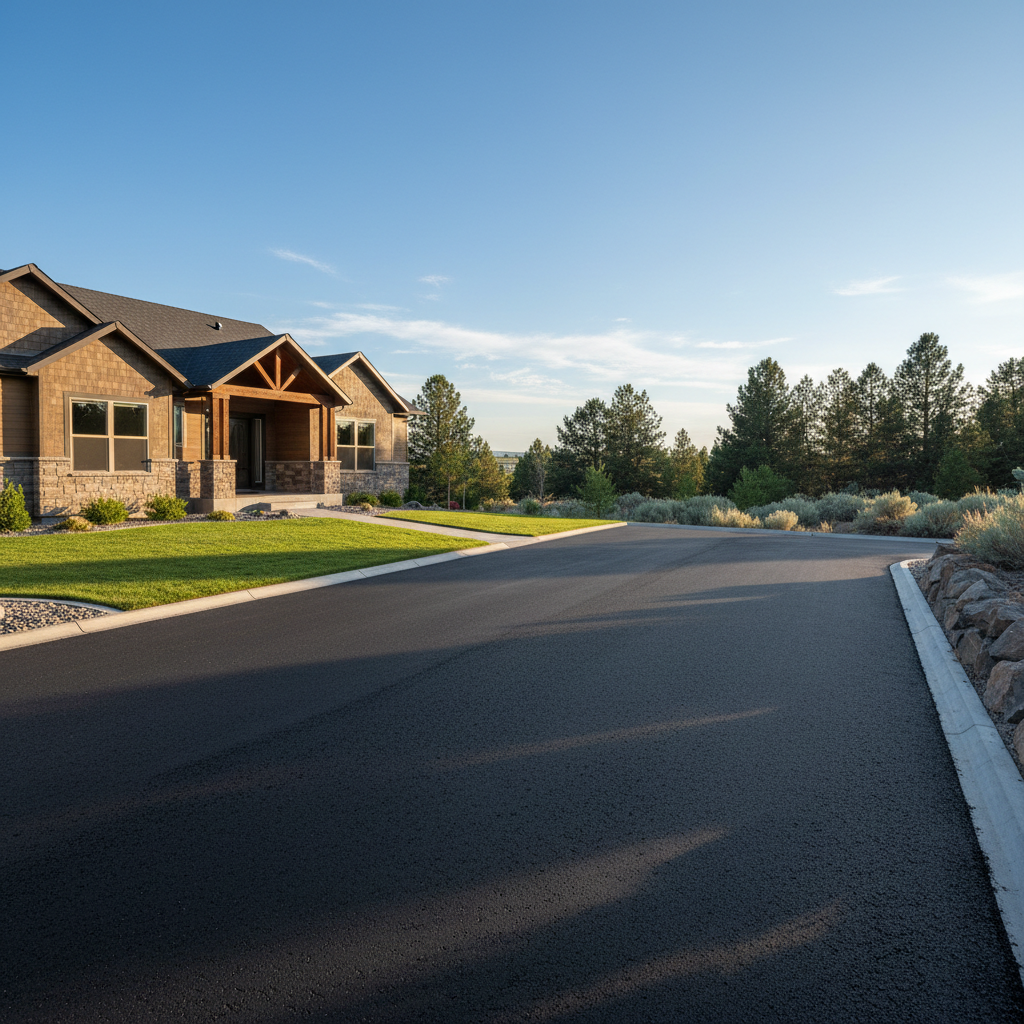
Alright, let's talk about commercial asphalt projects right here in Boise. You've got a business, maybe a parking lot, an access road, or even a whole new development that needs paving work. It's a big investment, no doubt about it. And you really want it done right, don't you? But over the years, honestly, I've seen plenty of good intentions go sideways because of some common blunders. My goal with Boise Asphalt Creations is always to help you steer clear of that regret.
So, what are the biggest traps I see folks fall into when they're planning or hiring for commercial asphalt work? It happens more than you'd think.
Ignoring the Ground Beneath Your Feet
This is probably the number one killer of any asphalt project, whether it's commercial or residential. You can lay down the best asphalt money can buy, but if the base underneath isn't prepped correctly, it's all for nothing. I'm talking about the subgrade – that's the dirt and gravel your asphalt sits on. Here in Boise, we've got all sorts of soil conditions, from the sandy stuff down near the river to the heavier clays up on the Bench. If that subgrade isn't properly evaluated, then compacted, and finally made stable, you're going to see problems. It's just a fact.
Think of it like building a house on a shaky foundation. It might look good for a bit, sure, but cracks, potholes, and drainage issues will pop up faster than you can say 'frost heave.' A solid contractor won't just eyeball it; they'll talk about proof-rolling, and maybe even some basic field testing to figure out what's really going on down there. If they don't, that's a red flag. Skimping on site preparation to save a buck upfront will always, always cost you more in repairs later on.
Overlooking Drainage – Water is Asphalt's Arch-Nemesis
Seriously, water is the enemy of asphalt. If your commercial lot isn't designed to shed water properly, you're asking for trouble. I've seen too many parking lots turn into shallow ponds after a good Boise rain or a quick snowmelt. Standing water seeps into the asphalt, which weakens the base, and then boom – potholes and cracks galore. It's a mess.
A reputable paving company will always consider drainage in their plan. They'll talk about grading, slopes, and maybe even specific drainage systems if needed. If a contractor just wants to pave a flat surface without discussing how water will get off it, you should be wary. Proper drainage planning is non-negotiable if you want your asphalt to last for years. It's that important.
Choosing the Wrong Mix or Thickness
Not all asphalt is created equal, and what works for a residential driveway isn't going to cut it for a commercial parking lot that sees heavy truck traffic. I've seen contractors try to save money by using a thinner layer or a less sturdy mix than what's really needed for a commercial application. This is a common mistake.
You need an asphalt mix that's designed for the specific traffic load and our local climate conditions. If your project is going to have delivery trucks, forklifts, or lots of turning vehicles, you need a heavy-duty section design, not just a one-size-fits-all price per square foot. Ask your contractor about the asphalt mix they plan to use and the recommended thickness for your specific site's demands. If they can't give you a clear answer or only offer a single thickness without understanding your usage, that's another sign to think twice, honestly.
Rushing the Job or Ignoring Weather
I get it, you want your project done yesterday. But asphalt paving isn't something you can rush, especially not here in Idaho. Temperature plays a huge role in how asphalt compacts and cures. Working in cold or overly wet conditions can seriously weaken the bond and lead to premature failure. And nobody wants that.
A good contractor will monitor the weather closely and adjust schedules if needed. Delays can be inconvenient, sure, but a rushed job done in bad conditions will lead to repairs much sooner than expected. And compaction? That's key. If the asphalt isn't compacted properly, you'll end up with air voids, weak spots, and a surface that just won't hold up. Don't let anyone convince you to push through bad weather or skip proper compaction steps. It's not worth it.
Not Getting Everything in Writing (Especially Warranties)
This seems like a no-brainer, but you'd be surprised how often folks rely on verbal agreements. For a commercial project, you need a detailed, written contract. This should clearly define the scope of work, the materials being used, the timeline, and all costs. Every detail matters.
And the warranty? Absolutely get that in writing. A reputable company like Boise Asphalt Creations stands behind its work. If a contractor is hesitant to offer a written warranty or tries to give you a verbal one, that's a huge red flag. You want to know exactly what's covered, for how long, and under what conditions. This protects your investment and gives you confidence in the long run.
Look, commercial asphalt is a big deal. It impacts your business's appearance, safety, and bottom line. By being aware of these common mistakes – focusing on the subgrade, planning for drainage, insisting on the right materials and thickness, respecting the weather, and getting everything in writing – you'll set yourself up for a successful project that lasts for years. And that's something to feel good about.